¿Qué es la Tecnología HCA?
El Hormigón Celular Autoclavado (HCA) es un material de construcción ligero y prefabricado que ofrece un rendimiento superior para la construcción moderna.
Entendiendo el HCA
El Hormigón Celular Autoclavado (HCA) es un material de construcción innovador inventado en Suecia en 1924. Se fabrica mezclando arena, cemento, cal, agua y un agente expansor (polvo de aluminio).
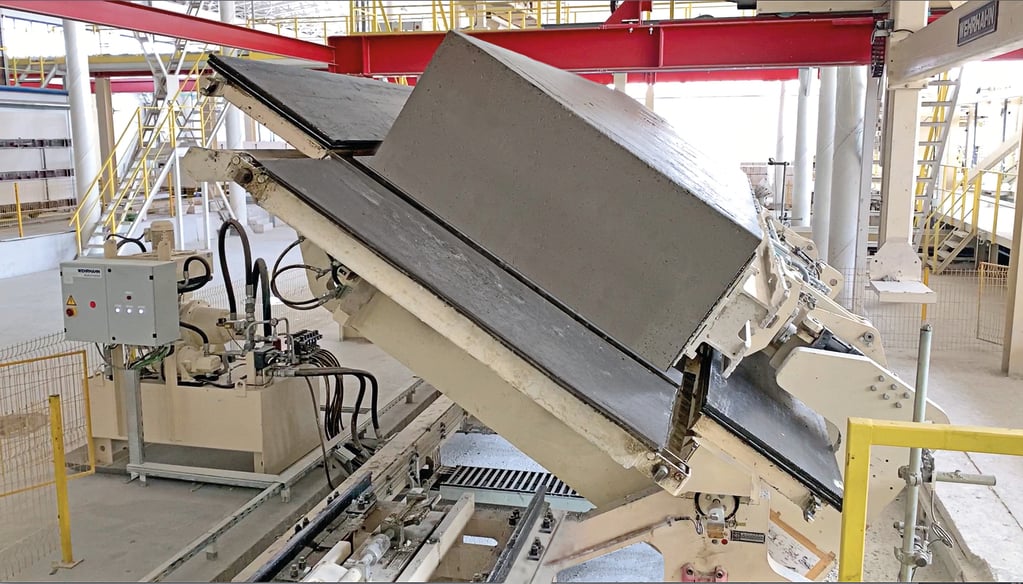
Composición del Hormigón Celular
Nuestros productos de HCA se fabrican con tecnología probada y componentes naturales de alta calidad.
Cemento
El cemento Portland de alta calidad es el principal componente aglutinante que garantiza la resistencia de los bloques.
Arena
La arena de cuarzo finamente molida actúa como relleno y aporta al bloque resistencia a las cargas.
Cal
La cal apagada participa en las reacciones químicas que favorecen la formación de poros.
Agua
Se utiliza para hidratar el cemento y mezclar los componentes.
Polvo/Pasta de Aluminio
Componente generador de gas que reacciona con la cal para formar poros mediante la liberación de hidrógeno.
Propiedades Químicas
Las propiedades únicas del HCA surgen de reacciones químicas cuidadosamente controladas durante la fabricación.
Formación de Gas
El polvo de aluminio reacciona con el hidróxido de calcio, liberando hidrógeno que crea millones de pequeños poros en la mezcla.
Formación de Tobermorita
Durante el autoclavado, el calcio se combina con el silicohidrato para formar tobermorita, una mezcla de estructuras cristalinas, semicristalinas y amorfas que confiere al HCA su resistencia.
Seguridad Ambiental
El uso de componentes naturales hace que el material sea seguro para el medio ambiente y la salud humana.
Resistencia al Fuego
La composición inorgánica hace del hormigón celular un material resistente al fuego y a las altas temperaturas.
Seguridad contra Incendios
El hormigón celular se considera uno de los materiales de construcción más seguros frente al fuego. Pertenece a la clase de materiales incombustibles (clase NG).
- Puede soportar altas temperaturas durante períodos prolongados sin perder resistencia ni capacidad de carga
- Crea una barrera fiable que evita la propagación del fuego a otras estancias
- Los bloques conservan su forma incluso a +900°C y pueden reutilizarse tras daños mínimos por incendio
Grados de Densidad y Especificaciones
El HCA está disponible en varios grados de densidad, cada uno adecuado para distintas aplicaciones. Una menor densidad ofrece mejor aislamiento, mientras que una mayor densidad ofrece mayor resistencia.
| Grado de Densidad | Densidad (kg/m³) | Resistencia a Compresión (kg/cm²) | Conductividad Térmica W/(m·°C) | Resistencia a Heladas (ciclos) | Clase de Resistencia |
|---|---|---|---|---|---|
| D200 | 200 | 10-15 | 0.048-0.058 | 25 | B0.75-B1.0 |
| D300 | 300 | 15 | 0.072-0.084 | 25 | B1.5-B2.0 |
| D400 | 400 | 25 | 0.096-0.117 | 35 | B2.0-B2.5 |
| D500 | 500 | 35-46 | 0.120-0.147 | 50 | B2.5-B3.5 |
| D600 | 600 | 46 | 0.144-0.183 | 75-100 | B3.5-B5.0 |
* Los grados D400-D500 son los más utilizados para muros de carga en construcción residencial
Principales Beneficios del HCA
El HCA ofrece numerosas ventajas que lo hacen ideal para la construcción residencial y comercial.
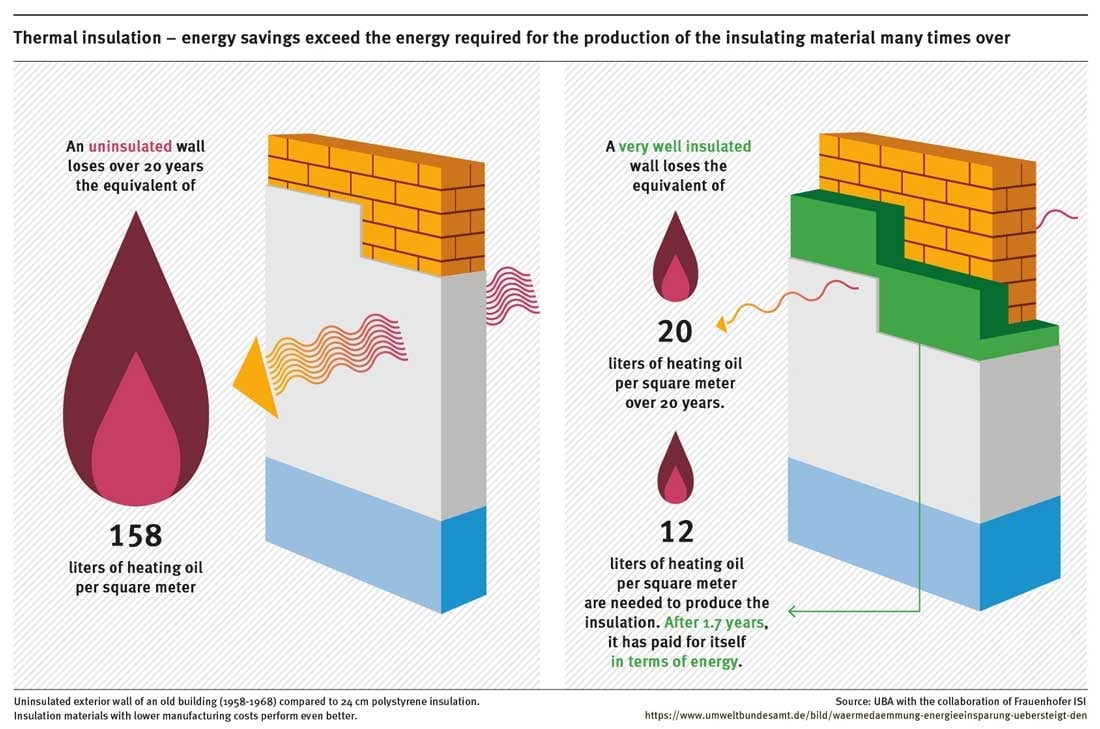
Eficiencia Energética
El HCA tiene excelentes propiedades de aislamiento térmico, con una conductividad térmica que va de 0,048 a 0,183 W/(m·°C) según la densidad, reduciendo significativamente los costes de calefacción y refrigeración.
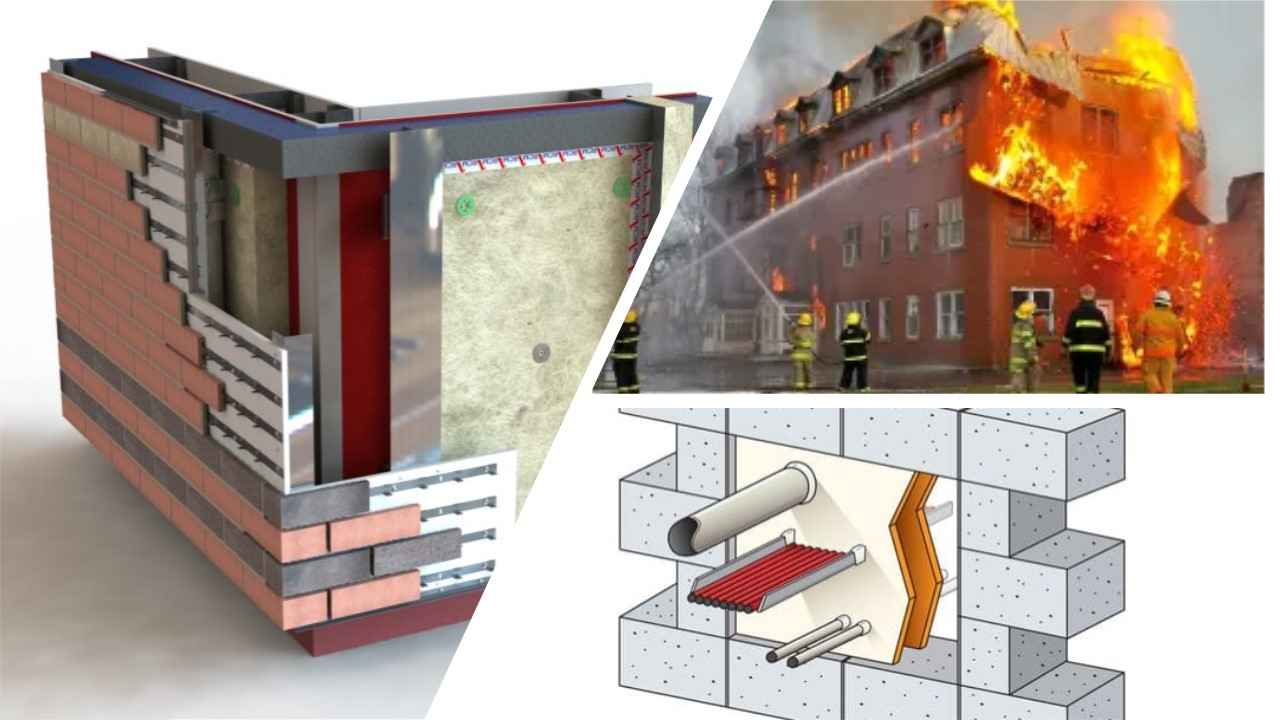
Resistencia al Fuego
El HCA pertenece a la clase de materiales incombustibles (clase NG). No se inflama ni siquiera a +900°C, no favorece la combustión y no emite gases tóxicos. Los bloques conservan su forma y pueden reutilizarse tras un incendio si el daño es mínimo.
Aislamiento Acústico
La estructura porosa del HCA proporciona un excelente aislamiento acústico, reduciendo la transmisión de ruido entre estancias y desde fuentes externas.
Control de la Humedad
El HCA regula los niveles de humedad de forma natural, absorbiendo el exceso de humedad y liberándola cuando el aire está seco, creando ambientes interiores confortables.
Ecológico
Fabricado con componentes naturales (cemento, arena, cal, agua, aluminio), el HCA es respetuoso con el medio ambiente y seguro para la salud humana, con una baja huella de carbono en su producción.
Ligero
Con una densidad que oscila entre 200-600 kg/m³, el HCA es significativamente más ligero que el hormigón convencional, reduciendo los requisitos de carga estructural y los costes de cimentación.
Características Técnicas
| Rango de Densidad | 200-600 kg/m³ |
| Resistencia a Compresión | 10-46 kg/cm² |
| Conductividad Térmica | 0,048-0,183 W/(m·°C) |
| Resistencia a Heladas | 25-100 ciclos |
| Clase de Fuego | NG (Incombustible) |
| Resistencia Máxima a Temperatura | +900°C |
Excelencia Técnica
El HCA cumple rigurosas normas internacionales y ofrece un rendimiento constante y predecible en las aplicaciones de construcción.
¿Listo para Usar HCA en su Proyecto?
Explore nuestra gama de productos de HCA o contacte con nuestro equipo técnico para asesoramiento experto.